
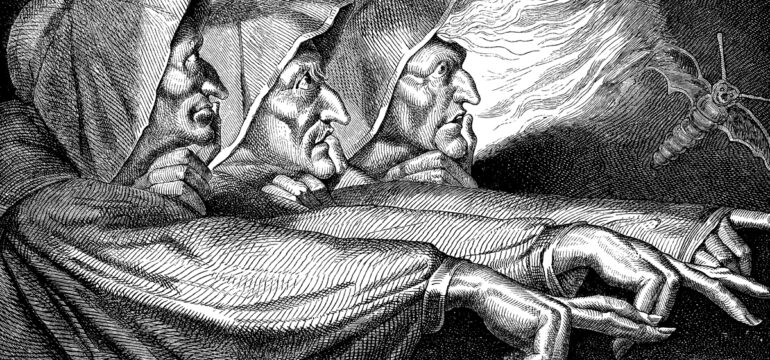

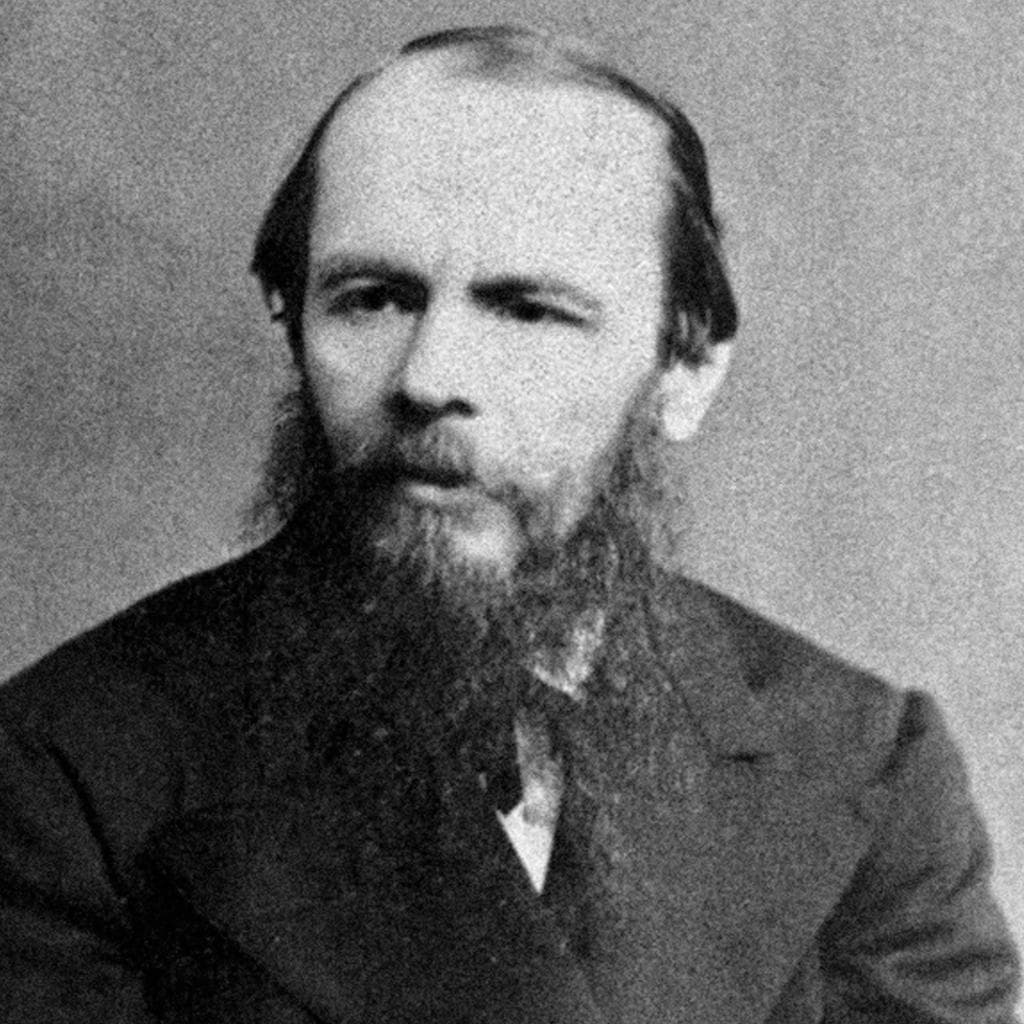
Fyodor Dostoyevsky‘s dramatic works were always destined to live forever. His novels unfold in cramped rooms, fevered confessions, and moral duels that resemble theatrical confrontations more than sprawling epics. When a Dostoevsky adaptation turns his writing into stage plays or theatrical events, they metamorphosize into laboratories of guilt, pride, and redemption. The stage intensifies what is already volatile in his writing: the sense that ideas are not abstract philosophies but living forces that seize human beings and bend them toward catastrophe.
This sense of catastrophe is one that is ever present in art. It ripples across the line that divides adaptation and reality, transforming our world into another. It is through catastrophe that an adaptation manages to bring one of Dostoevsky’s oldest and most un-adaptable works, Notes From Underground, into a modern epic: Notes from the New World.
The Macbeth Effect
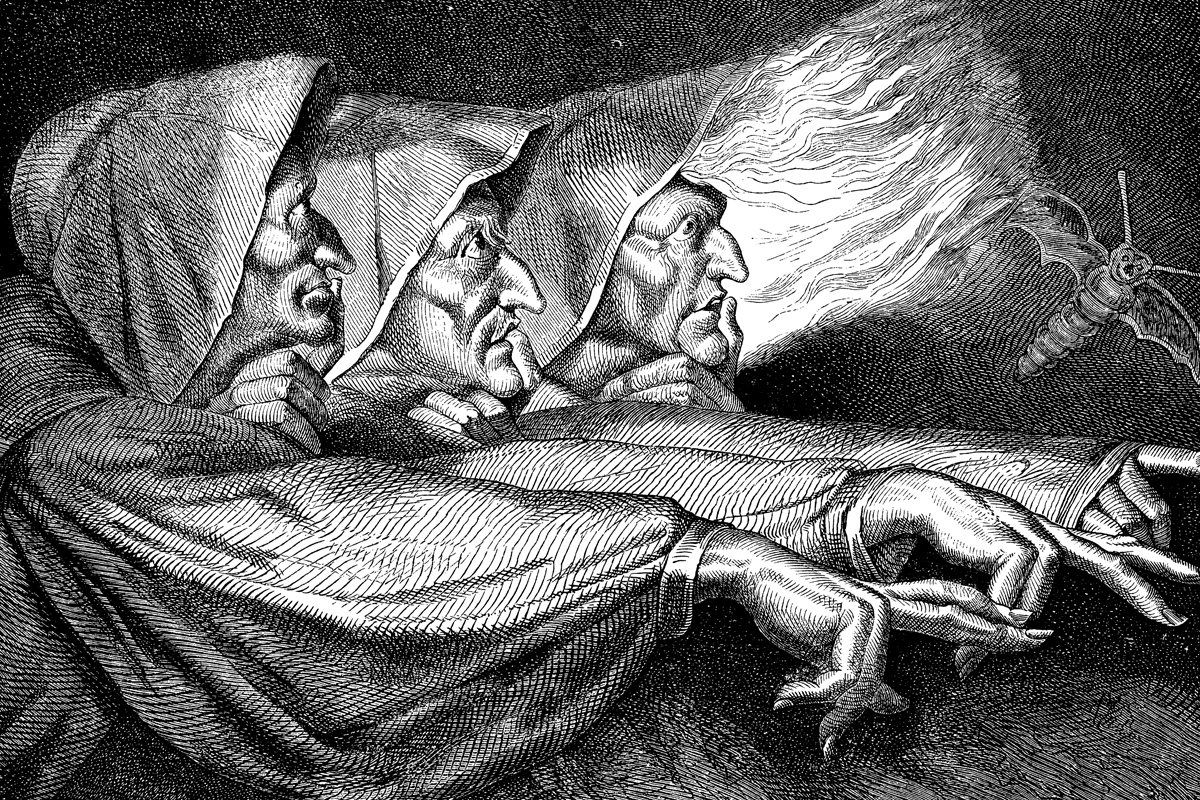
In theater lore, there is a long-standing belief that certain stories carry a curse. It is derived from the play Macbeth. The so-called “Macbeth effect” traditionally refers to actors’ superstitions about staging dark material, especially stories soaked in murder and ambition. In psychology, the term also describes how feelings of moral contamination lead people to seek physical cleansing. As though guilt itself were a stain.
The Macbeth effect was born from the stage, but has extended to play an important role in Hollywood. The realm of glitz and glamor is filled with more dark tales and conspiracies than one could count. Screenplays steeped in violence and spiritual corruption do not simply portray darkness, they generate it, pulling performers and audiences into a shared atmosphere of unease.
Dostoevsky adaptations, particularly Notes From Underground, lean heavily into that moral contamination. His writing has been equal parts revered and reviled. His characters do not merely commit crimes, they rationalize them, philosophize about them, and sometimes worship them. These arguments can suffocate both the actors and the audience. The justification can warp our sense of right and wrong. It leads one to question if such stories should even be seen or staged: the MacBeth effect in full force.
A Dostoevsky Adaptation
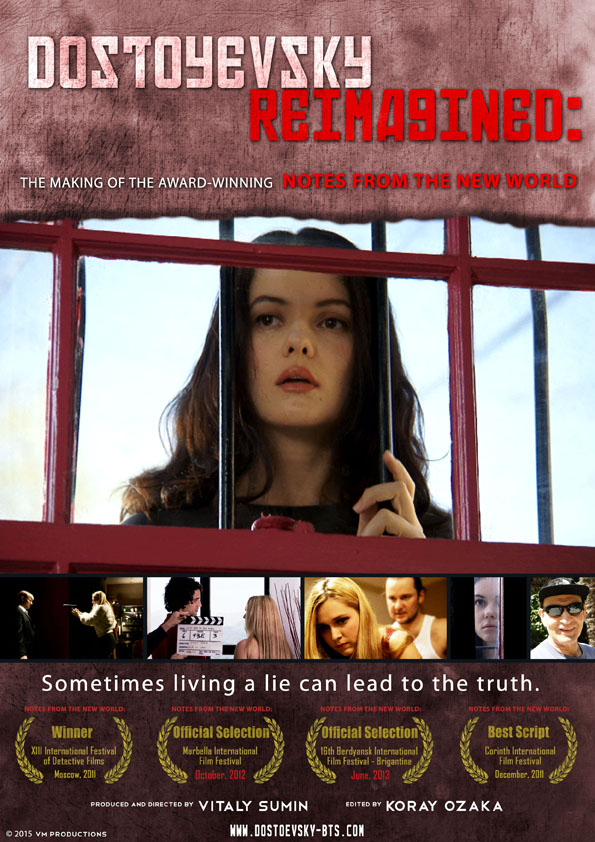
This particular effect of Dostoevsky’s work takes shape in the latest, and perhaps greatest, adaption of his work: Notes from the New World, an effort to adapt one of Dostoevsky’s earliest and most mysterious works: Notes from the Underground. Notes from the New World is an adaptation both loosely and directly inspired by Dostoevskian themes of alienation, pride, wealth, ideological extremism, and spiritual decay. It depicts classic Dostoevian characters ripped from their stories, transcending their narrative bounds to confront universal truths. And above it all, a meta-narrative level that directly challenges the viewer. This film has layers of meaning and philosophy, but perhaps nothing is more revealing than the film documenting its troubled release: An LA Story.
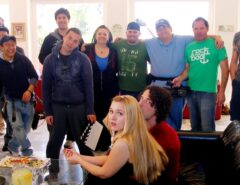
An LA Story depicts more than the making of a film. It is a Dostoevsky adaptation of legendary proportions, detailing the troubled production of a film seemingly cursed by the fates themselves. As LA Story unfolds, an initially fabricated story of a missing screenwriter named Robert Hurley unravels into a truly supernatural phenomenon. The cast, crew, and even the auteur behind the script, Vitaly Sumin, discovers that the script itself faces a dark curse. Accidents haunt rehearsals, relationships fracture, and a creeping paranoia takes hold on set.
Macbeth and Los Angeles
What makes An LA Story so compelling is its suggestion that the “curse” is not supernatural at all, but psychological. The screenplay of Notes From the New World centers on passion mixed with deep, violent betrayal. While the film struggles to get made, the cast and crew unravel a dark conspiracy involving an ancient cult and a dark ritual. What begins as a fabrication quickly spirals into a story of witchcraft, curses, and a crew fractured from the start. In embodying their characters, the actors immerse themselves in suspicion and duplicity. Jokes turn sharp. Minor disagreements grow into ideological battles and suspicion of real crimes. The fictional curse takes root in reality.
Here the Macbeth effect becomes a lens. When people repeatedly simulate immoral acts, such as those depicted in Dostoevsky’s works, their minds respond as though something real has occurred. Even if no blood is shed, the rehearsal of darkness can create a residue.
In LA Story, we can see the actors playing the central characters descend into fear and paranoia. They suffer from medical conditions and growing paranoia. Others begin to latch onto a real life investigation, fearing for their own lives and safety. Enough of the cast and crew leaves that only a skeleton of what was there before remains. The material of this Dostoevsky adaptation is simply too dark – and in a Macbethian manner, the tragedy becomes manifest. It becomes apparent that the screenplay was simply too dark, too subversive, and too gruesome to be staged.
Redemption in a Dostoevsky Adaptation
Despite it’s great darkness, the film also gestures towards redemption. In this beautiful Dostoevsky adaptation, the remaining crew rally together and a true masterpiece rises from the ashes. As the director, Vitaly Sumin postulates, “Now imagine how this story would have gone if I had the money in place at the start of this adventure. We would have gone into production right away, without the half a year or more of rehearsals, with possibly the wrong actors in the lead roles. The script would have been less developed. I would not have built up the deep understanding of the story that I now have. It would have resulted in a very different film” (LA Story).
The enduring lesson, whether in Dostoevsky’s works or in the narrative of an LA Story, is that art is powerful precisely because it is immersive and true. This brilliant Dostoevsky adaptation shows us that stories shape the emotional worlds we inhabit. When we tell stories of ambition, pride, fear and love, we may begin to fall into those stories and let them become our realities. But it is only through this darkness that we can transform and be reborn. If a story’s negative aspects can manifest through identification, then so can its redemptive ones. Stories destroy us, but only to tear us down and remake us whole.
Want to know about VMP Films and about the films we make? Want to participate
in our projects? Go to https://www.dostoevsky-bts.com/ and enter your email on
the box at the bottom of the page where it reads “I Want To Be Part Of The
Action!” And you are ready to go. Don’t forget to grab our FREE e-books ! .
Check us out on Twitter, Instagram, Facebook, Pinterest, and Goodreads




Leave a Reply